“He came back a different person. And it changed him immensely, in a positive way.”
Said about a March cohort member, by someone who knows him best
Communications lessons for highly logical people.
Three days of training in negotiation, storytelling, conversation, conflict, and presenting.
Next course: October 12–14, 2026 in St. Louis · $3,000 all inclusive · Eight seats per course
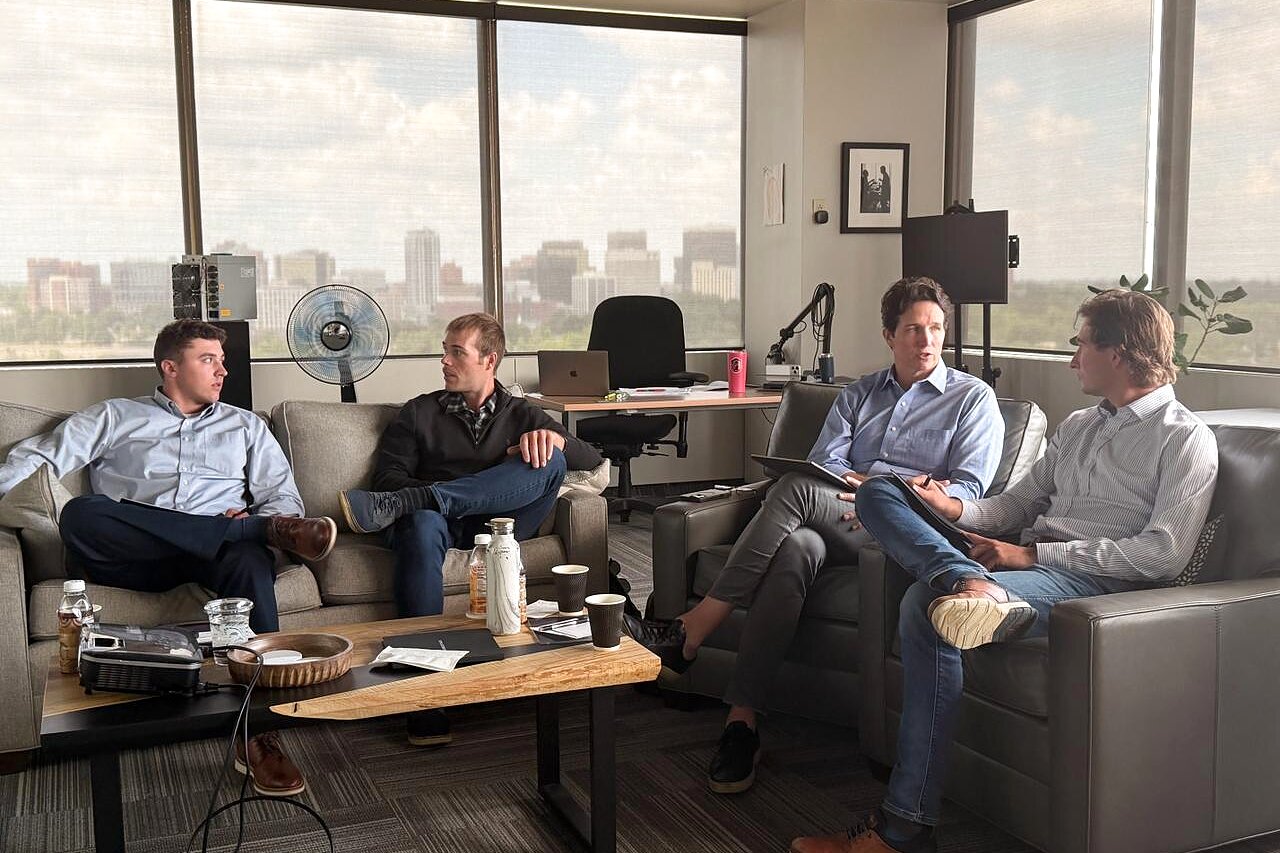
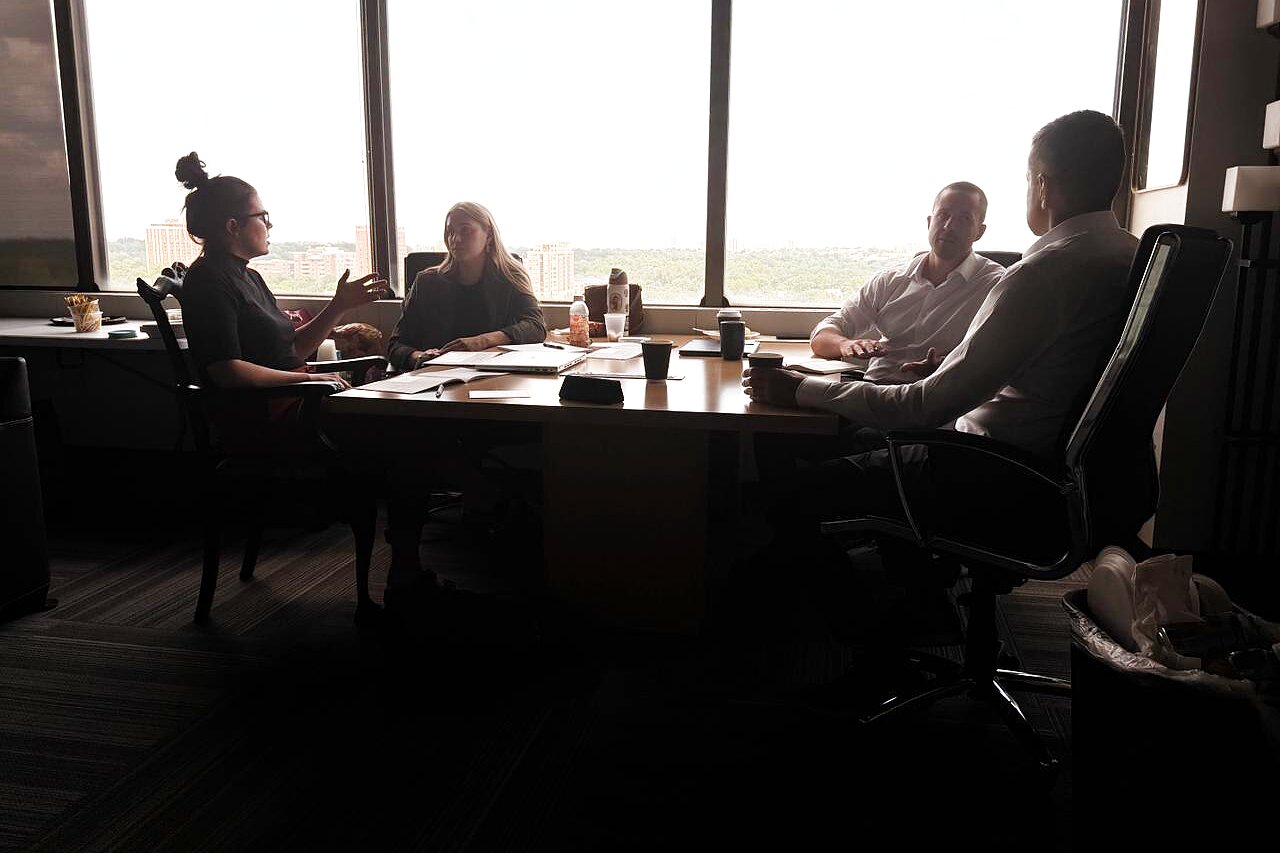
A course session in St. Louis. Eight seats, one room, no lecture hall.
Learn to shape your ideas so people want to hear them.
Three days of practice in negotiation, storytelling, conversation, conflict, and presenting. Created by Vance Crowe, the course offers students practical ways to improve how they connect with others. Students are encouraged to use their authenticity and understanding to make every situation they encounter better.
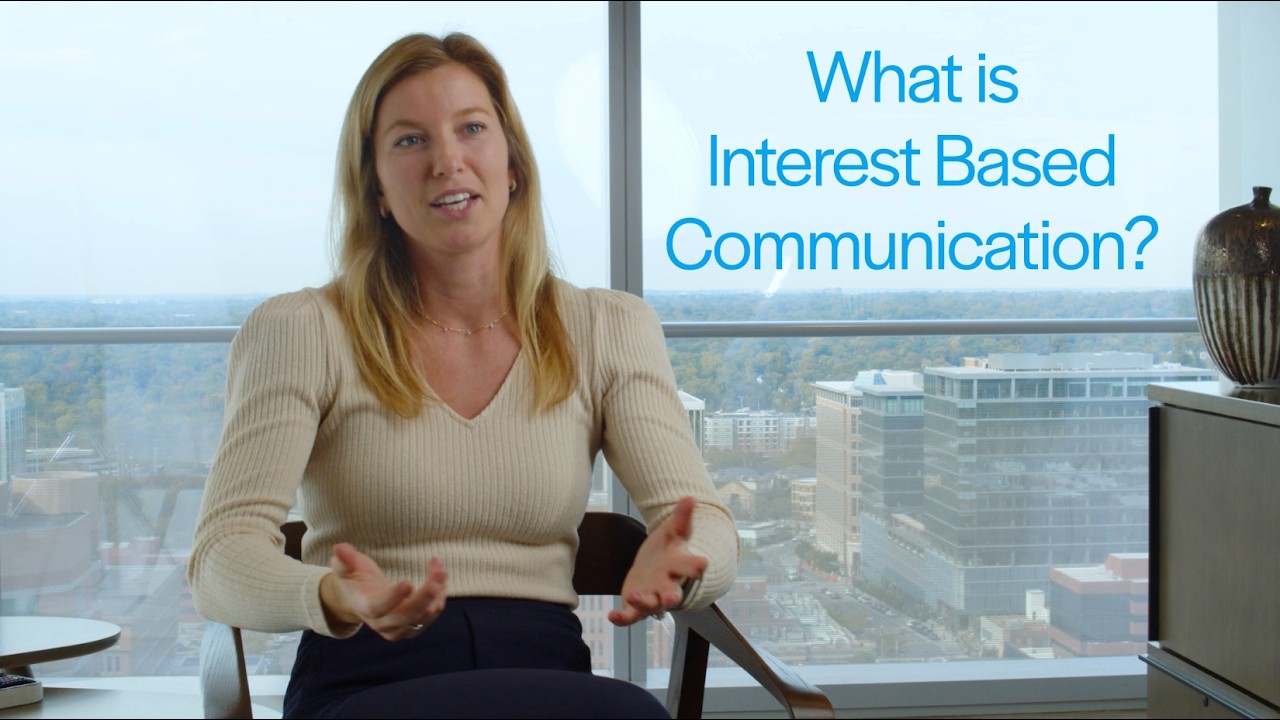
“I was able to walk out of every single session and put to work immediately what we had practiced that day.”
Steve, Broadview Group
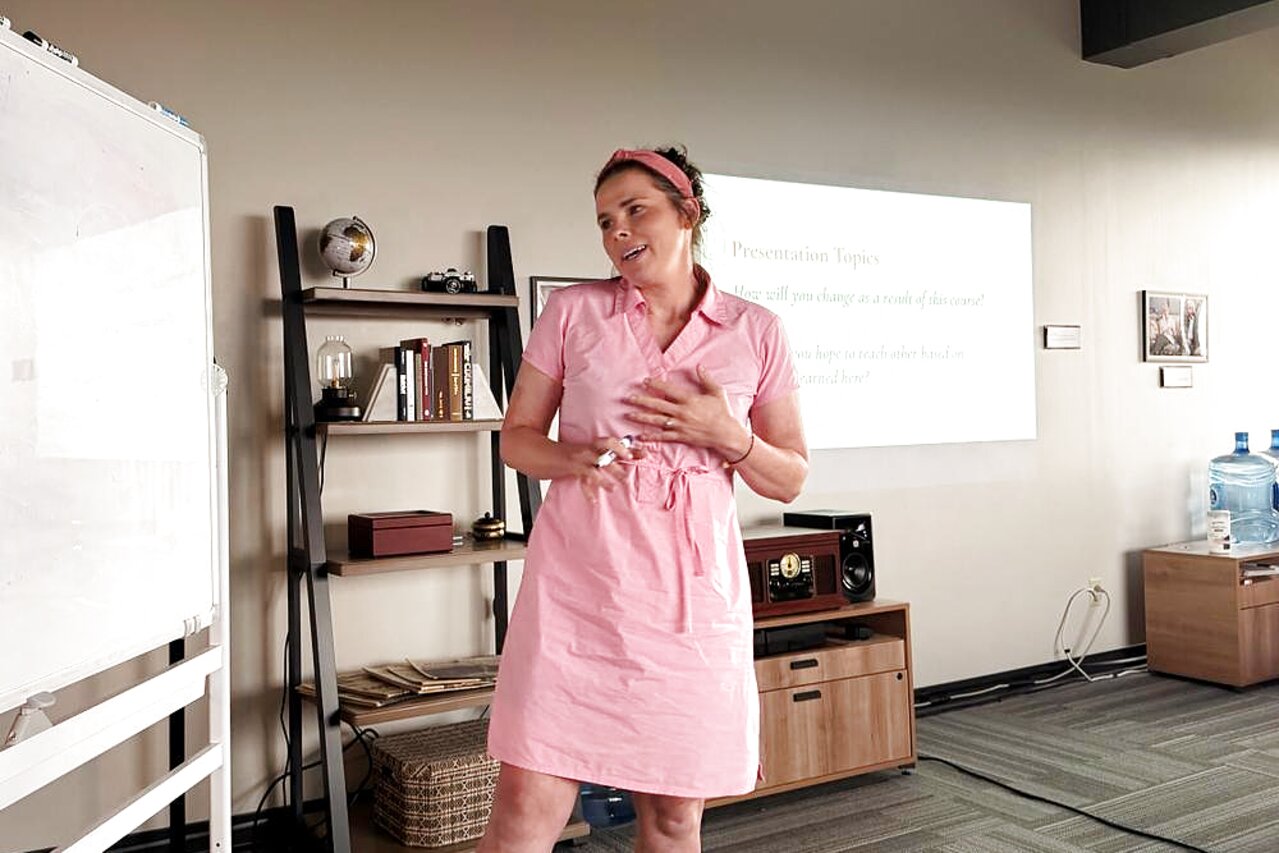
The course is built around five core sessions:
Your host will begin by sharing a story, teach a lesson and then students are given the opportunity to practice new skills using situations from their own lives (no role playing). Each session concludes with a class discussion and candid feedback from the host.
Participants learn the concept of Interests, the underlying needs beneath the positions people state out loud, through case studies of typical negotiations they find themselves in. Students then practice Mirroring, a structured listening technique for confirming what another person actually means.
Participants learn what makes stories memorable and persuasive, then tell their own story to the group and receive direct feedback on how it landed.
The cohort breaks into small groups for an exercise in storytelling and listening over a family-style dinner in St. Louis. The night offers an opportunity to practice new skills and a chance to get to know each other better.
Participants learn how to stay present in a conversation and ask questions that deepen the exchange, including a short meditation practice, followed by an extended one-on-one discussion.
Participants learn to address complex situations where parties are becoming frustrated. Students practice techniques for getting others to share their real concerns and learn how to focus on the issues rather than the individuals.
After dinner on your own, the group reconvenes for an intense discussion exploring Dissent Paradoxes using the conflict skills learned during the afternoon. Then each person develops their own concept: something they believe, that might get pushback.
Students learn what makes a compelling presentation. The group learns about stage presence, slide design and other techniques that keep an audience engaged with your presentation.
The final session belongs to the group. Participants bring a real situation from their own work or life and work through it with coaching and cohort feedback. Class ends at 2:00 PM.
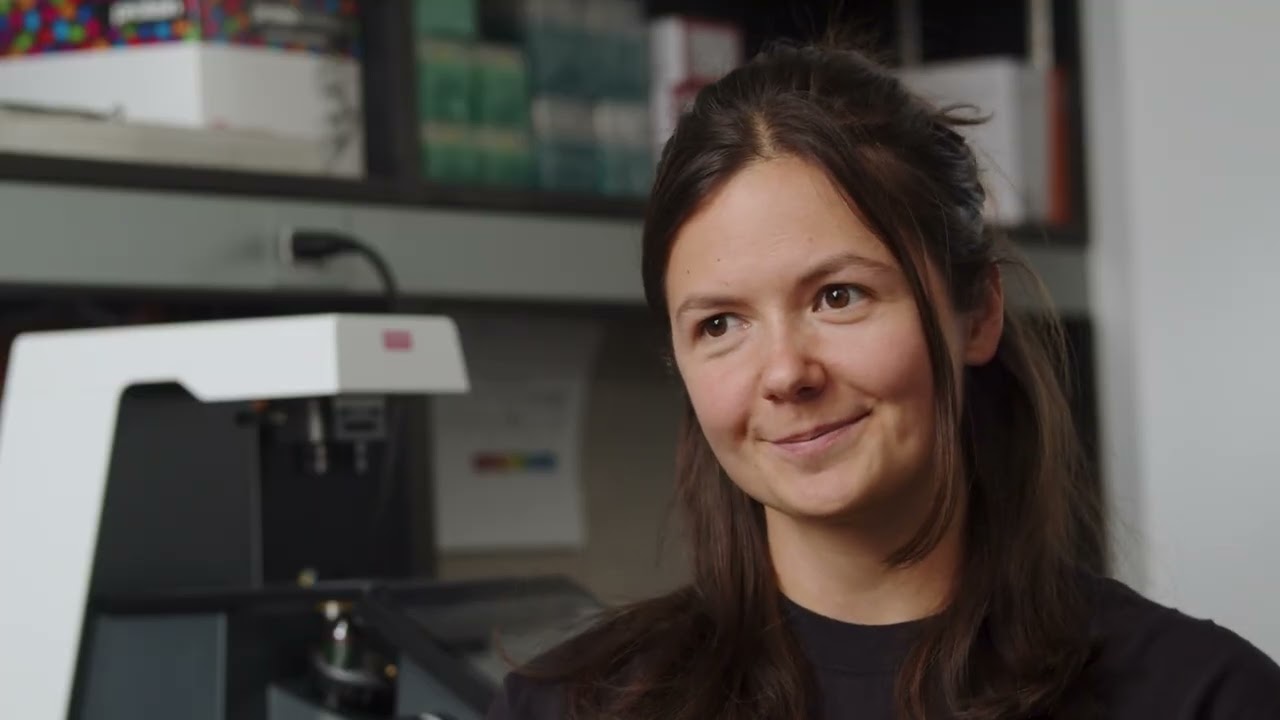
“He came back a different person. And it changed him immensely, in a positive way.”
Said about a March cohort member, by someone who knows him best
“Selfishly, I'll get more from the conversation if I focus more selflessly on them. I enjoyed this thoroughly. I'll be recommending it to everybody I know.”
Stephen Matic, OODA Group Holdings
“Caring would be the word I'd use. And a light. I have clarity for how I can take what I learned and change the trajectory of my life.”
Eric Farrand
“I don't think I've learned more in a three-day period than I have throughout the course of a year.”
Charlie Gildehaus, Purdue University
“That interest-based communications course, which was phenomenal — we had a lot of people that attended the conference go ask about it.”
Shay Foulk, AgView Solutions
October 12–14, 2026 · St. Louis
Includes all sessions, materials, lunches, and the first-night dinner.
Eight seats per course, first come, first served.
Not sure yet? Email Vance a question before you reserve. Real answer, no pitch.
The course is held at the Articulate Ventures Studio, 1034 S Brentwood Blvd, Richmond Heights, Missouri.
If you are flying or driving in, we recommend the Homewood Suites by Hilton St. Louis - Galleria, next door to the studio. It is a comfortable, no-fuss hotel, but the real benefit is the closeness: most of your classmates stay there, and you will not need a car in the morning.
If you don't want their complimentary breakfast, come to Coma Coffee, one of the best cafes in the Midwest, located in the same building as the studio.
If you would like a more interesting and upscale option, The Cheshire is in a safe location near Forest Park, a city park larger than Central Park in NYC.
And for a little tidbit on Saint Louis culture: Basement Turtles.
A company can reserve a whole week for its own people. The Ag View Solutions weeks went before this calendar was public.
We will host your team (up to 10 people) for a customized Interest-Based Communication course. Your team will work on issues specific to your organization. At night we will host strategy sessions around a topic that will move your team forward.
Inquire about a Private Cohort →We deliver the full program at your location, for anywhere from ten to two hundred people at one price. Choose five half-day sessions spread out so people apply what they learn between sessions, the format we recommend, or a two-day intensive that compresses the same material into two consecutive full days.
Inquire about Corporate Delivery →